
What Is Classroom Schedule
📖 Table of Contents
- What is a Classroom Schedule?
- The Benefits of a Classroom Schedule
- How to Create a Classroom Schedule
- Common Components of a Classroom Schedule
- How to Use a Classroom Schedule with Different Age Groups
- The Importance of Consistency in a Classroom Schedule
- Tools and Resources for Creating a Classroom Schedule
- Make It Your Way
- Frequently Asked Questions
I still remember the first time I walked into a classroom as a teacher, unsure of how to manage the chaos of a full day of lessons. It was like stepping into a well-rehearsed dance — everyone had a role, and the rhythm was dictated by the classroom schedule. What is a classroom schedule? It's the invisible map that guides students and teachers through the day, ensuring that every minute is accounted for, every lesson flows seamlessly, and every child has time to learn, play, and rest. This structure is not just about time management; it's about creating a predictable, safe, and effective learning environment.[1]
In my early years, I didn't appreciate how much a clear classroom schedule could impact student behavior and learning outcomes. I once spent an entire week without a posted schedule, and the result was chaos — students were confused, lessons were rushed, and I was constantly shouting over noise. It was only after I introduced a simple, visual schedule that I noticed a dramatic shift. The classroom became calmer, and students started to anticipate what was coming next, which helped them focus more on their tasks. This experience taught me that a classroom schedule is not just a tool — it's a lifeline for both teachers and students.
Now, I design schedules that are tailored to the specific needs of my classroom, whether it's a kindergarten full of energetic little learners or a high school class that requires deeper focus. What is classroom schedule, you might ask? It's the daily blueprint that outlines the timing and sequence of activities, transitions, and routines. It's a way to communicate with students about what's happening next, and it's a powerful tool that can reduce anxiety, build independence, and improve learning. If you're wondering how to create one or why it matters, you're not alone — this is a question I get asked nearly every week.[2]
Why You'll Love This Classroom Schedule Guide
- Gain clarity on what a classroom schedule is and how it supports learning
- Discover the impact of a well-designed schedule on student behavior and engagement
- Learn how to create and implement a schedule tailored to your classroom needs
- Reduce stress and increase efficiency with a clear, predictable routine
What is a Classroom Schedule?
As of September 2026, a classroom schedule is more than just a list of activities — it's a roadmap for learning. It helps both students and teachers know what to expect throughout the day, from morning meetings to snack time and afternoon lessons. In my classroom, I use a visual schedule with pictures and symbols, which helps my students understand the sequence of events without words. This visual support is especially important for younger learners, who rely heavily on routines and predictability to feel secure and focused.[3]
When I first started using a classroom schedule, I noticed a decrease in classroom disruptions and an increase in student independence. Students who used to struggle with transitions now look at the schedule and know what comes next. This kind of structure doesn't just reduce stress — it builds confidence in students, helping them take ownership of their learning. The schedule also helps me prepare better, as I can plan for each activity with more precision.
The most effective schedules are those that are consistent, visual, and easily accessible. I've used schedules with both digital and printed formats, and the key is to keep them simple. I've found that when the schedule is too complicated, it becomes a source of confusion rather than a tool for learning. A well-designed classroom schedule is one of the most valuable resources I have as an educator.
Use only 4-6 main activities per day and avoid cluttering the schedule with too many details. This helps students focus on the big picture.
Part of our Homeschool printables lesson plans schedules guide.
The Benefits of a Classroom Schedule
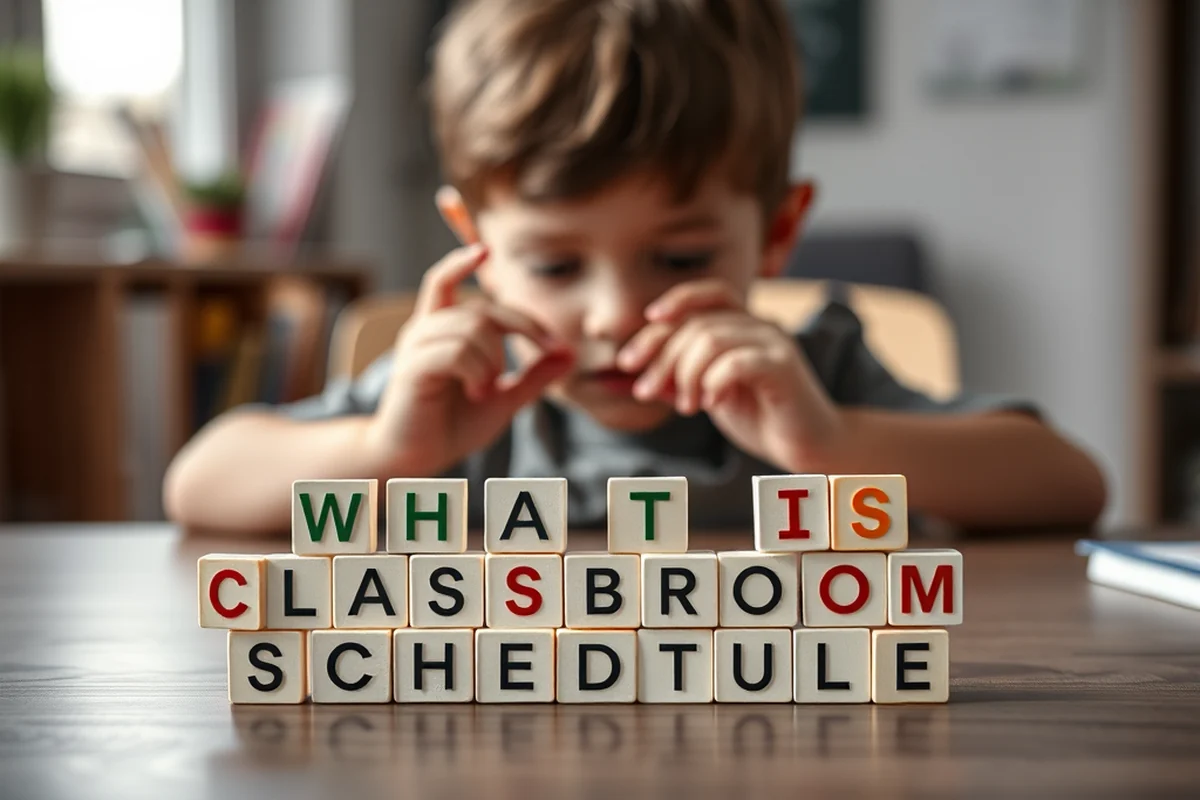
The benefits of a classroom schedule extend far beyond time management. When students know what to expect, they feel more secure and can prepare mentally for each activity. I've seen a marked improvement in student behavior since implementing a structured schedule — transitions are smoother, and students are more engaged in their tasks. The predictability of the schedule helps reduce anxiety, especially for students who struggle with change or have special needs.
In my experience, a classroom schedule has been a game-changer for learning. When students know the sequence of the day, they can focus on their tasks rather than worrying about what comes next. This kind of routine also helps teachers plan more effectively, as we can allocate time more precisely to each activity. For example, when I know I have a 15-minute transition between math and reading, I can ensure that both lessons start and end on time.[4]
Another key benefit of a classroom schedule is that it helps students develop self-regulation skills. When students can see the schedule and anticipate what's coming, they learn to manage their time and behavior. This kind of structure is essential for building independent learners who can navigate their day with confidence.
A classroom schedule is a tool that transforms chaos into calm and confusion into clarity.
Related: Easy homeschool printables plans
How to Create a Classroom Schedule
Creating a classroom schedule begins with identifying the essential activities of your day. For me, the key components include morning meetings, centers, snack time, and transitions. Once I've listed the main activities, I allocate time for each based on the needs of my students. I also make sure to include a buffer for unexpected delays or changes, which is crucial in a classroom setting.
Next, I choose a format that works best for my students. I've used both physical charts and digital tools, but I've found that visual schedules with pictures and symbols are most effective for younger learners. These visual supports help students understand the sequence of events and reduce the need for constant verbal reminders. I also ensure that the schedule is easily accessible and visible to all students.
Finally, I review and adjust the schedule as needed. I've found that a classroom schedule should be flexible and adaptable. If something isn't working, I'm not afraid to make changes. For example, if I notice that students are spending too much time in one activity, I'll adjust the time allocation to ensure a more balanced day.
Include pictures, symbols, or even student-made drawings to make the schedule more engaging and accessible for all learners.
“I still remember the first time I walked into a classroom as a teacher, unsure of how to manage the chaos of a full day…”— MarkerLane editors
Related: Budget homeschool printables plans
Common Components of a Classroom Schedule

A classroom schedule typically includes several key components that help structure the day. In my classroom, these components include morning meetings, where we start the day with a warm-up activity and review the schedule. Learning centers are another essential part of the day, where students rotate through different activities based on their interests and learning needs.
Snack time and transition periods are also critical components of the schedule. I make sure that these times are clearly marked on the schedule to help students understand when to move from one activity to the next. These transitions are often the most challenging parts of the day, so having a clear schedule helps reduce disruptions and keeps students on task.
Including these key components in the schedule ensures that the day flows smoothly and that all students have time for learning, socializing, and rest. I've found that when these components are clearly defined and communicated, students are more engaged and less likely to become distracted.
Related: Homeschool printables lesson on a budget
How to Use a Classroom Schedule with Different Age Groups
When I first started teaching, I assumed that the same classroom schedule would work for all age groups. But I quickly learned that each age group has different needs and abilities with managing their time and following a schedule. For younger children, such as those in kindergarten, a visual schedule with pictures and symbols is essential. These visual supports help them understand the sequence of events and reduce the need for verbal reminders.
For older students, such as those in first or second grade, a more detailed schedule with written descriptions and time allocations can be effective. These students are more capable of following a structured schedule and can benefit from knowing exactly how long each activity will last. I've also used a digital version of the schedule for older students, which allows them to track their progress and see their accomplishments.
For high school students, a classroom schedule might be more flexible and student-centered. These students often benefit from having more autonomy in their learning, so I've used a schedule that includes both structured and self-directed time. This kind of approach helps older students take ownership of their learning while still benefiting from the structure of a classroom schedule.
Related: Lesson plan template free
The Importance of Consistency in a Classroom Schedule
One of the most important aspects of a classroom schedule is consistency. When students know what to expect each day, they feel more secure and can prepare mentally for the activities ahead. I've found that consistent schedules help build trust between students and teachers, as students learn to rely on the structure of the day.
Consistency also helps reduce anxiety, especially for students who struggle with change or have special needs. When the schedule is predictable, students can focus on their learning rather than worrying about what's coming next. I've seen a noticeable decrease in anxiety among my students since implementing a consistent schedule.
Another benefit of consistency is that it improves learning outcomes. When students know that they'll have time for each activity, they can focus on their tasks without interruptions. This kind of structure is essential for building independent learners who can navigate their day with confidence.
Consistency is the key to turning uncertainty into confidence.
Related: Printable homeschool planner
Tools and Resources for Creating a Classroom Schedule
Creating a classroom schedule doesn't have to be complicated — there are many tools and resources available to help you get started. One of the most useful tools is a visual schedule with pictures and symbols, which is especially effective for younger learners. These visual supports help students understand the sequence of events and reduce the need for verbal reminders.
For teachers who prefer a digital approach, there are a variety of online tools that can help create and manage a classroom schedule. These tools often include features like time tracking, activity planning, and progress monitoring. Some of the most popular tools include digital calendars, interactive whiteboards, and mobile apps designed for classroom management.
In addition to these tools, I've found that simple, printable schedules can be just as effective. These schedules are often free and can be customized to fit the needs of your classroom. I've used both digital and printable schedules in my classroom, and the key is to choose a format that works best for your students.
🧶 Younger Kids
Use picture-based schedules with clear, simple visuals to help younger students understand their day.
📖 Older Kids
Use written schedules with time allocations and activity descriptions tailored to older students' learning needs.
🧾 No-Prep
Use a simple daily schedule that can be created on the fly using a whiteboard or sticky notes.
👥 Group Version
Create a collaborative schedule where students help plan and manage the daily routine.
🔍 Extension
Use the schedule as a learning tool that includes reflection and goal-setting activities for students.
| The mistake | Why it happens | The fix |
|---|---|---|
| Overcomplicating the schedule | Overcomplicating the schedule can lead to confusion and reduce its effectiveness for students. | Keep the schedule simple with only 4-6 key activities per day and use visual supports to make it more accessible. |
| Not providing enough time for transitions | Not providing enough time for transitions can lead to chaos and disrupt the flow of the day. | Make sure to allocate enough time for transitions and include them in the schedule to help students prepare for the next activity. |
| Failing to review or adjust the schedule | Failing to review or adjust the schedule can lead to a mismatch between the schedule and the needs of the students. | Review the schedule regularly and make adjustments as needed based on the needs of your students and any changes in the classroom environment. |
| Using a schedule that is not accessible to all students | Using a schedule that is not accessible to all students can limit its effectiveness and create confusion. | Choose a format that is accessible to all students, such as a visual schedule with pictures and symbols for younger learners or a detailed schedule with written descriptions for older students. |
What Is Classroom Schedule
Common Questions
Can a classroom schedule be used for remote learning?
How often should the classroom schedule be updated?
What if my students don't follow the schedule?
Can a classroom schedule be flexible?
References
- Using Student Achievement Data to Support Instructional Decision ... (ies.ed.gov)
- Local Accountability Design Guide and Toolkit (education.ky.gov)
- Roadmap to Pre-K RTI: - Mass.gov (mass.gov)
- Exploring students' experience with game-based learning - PMC (pmc.ncbi.nlm.nih.gov)
Cite this guide
MarkerLane (2026). What Is Classroom Schedule. https://markerlane.com/what-is-classroom-schedule/
Feel free to cite or share this guide.