
Homeschool Printables By Age Grade Step By Step
📖 Table of Contents
- What Are Homeschool Printables and Why They Work
- How to Choose the Right Printables for Your Child’s Age and Grade
- How to Use Homeschool Printables Effectively
- The Best Homeschool Printables for Preschoolers
- How to Adapt Printables for Older Kids
- How to Keep Learning Fun with Homeschool Printables
- How to Find Free and Affordable Homeschool Printables
- Make It Your Way
- Frequently Asked Questions
I still remember the first time I sat down with my son, a curious 5-year-old, and tried to figure out how to make learning fun during the pandemic. We had no idea what we were doing, but we were determined. After hours of searching online and sifting through countless resources, I stumbled upon a set of homeschool printables that changed everything. They weren’t flashy, but they had something we desperately needed: a clear, step-by-step guide that aligned with his age and grade. That moment, when he traced his fingers over the shapes on a worksheet and said, ‘Look, Mom, I did it!’ was the beginning of our journey into a structured, yet flexible, homeschooling world.
The key to making homeschool printables work lies in knowing exactly what to use for each stage of learning. It’s not enough to grab any printable you find online—what matters is choosing the right one for your child’s developmental level. I’ve tested dozens of resources over the past few years, and I’ve learned that the best printables are those that match a specific age grade and offer clear, incremental steps. Whether you’re working with a 3-year-old just starting to recognize letters or a 12-year-old deep into fractions, the right tool can transform a chaotic learning day into a focused and joyful experience.[1]
What I didn’t expect was how much this approach would help us stay on track. Using printables that are structured by age and grade gives you a roadmap—something that, for many homeschooling parents, is both reassuring and indispensable. The real magic happens when you take the time to follow the steps, and not just skip to the end. That’s how we made learning not only effective but also something my son actually looked forward to. It’s why I’m writing this: to help you find your own way through the maze of homeschooling resources and make your journey as smooth as possible.
Why You'll Love This Homeschool Guide
- Clear, age-specific guidance that matches your child’s developmental stage
- Step-by-step instructions that make learning easy to follow
- Real-life-tested resources that actually work in practice
- Flexible and adaptable for different learning styles and paces
What Are Homeschool Printables and Why They Work
As of August 2026, at its core, a homeschool printable is a tool that takes the guesswork out of learning. These printables are designed by educators or experienced homeschoolers, who understand exactly what a child needs to learn at each stage. For example, a printable designed for a 4-year-old might include tracing letters and simple matching games, while one for a 6-year-old might focus on basic math concepts like counting and addition. These resources are structured in a way that makes them easy to follow, even for someone who has no formal training in teaching.[2]
What makes these printables especially effective is their alignment with specific age ranges and grade levels. When you choose a printable that’s designed for a child’s current developmental stage, you’re ensuring that the material is both challenging enough to be useful and not so advanced that it becomes overwhelming. This level of precision is something I’ve noticed in my own experience. When I used printables meant for a 5-year-old, my son was able to complete them with minimal frustration, and he actually seemed to enjoy the process.
Another benefit of using printables is that they save time. Rather than creating worksheets from scratch, parents can simply print and go. This is especially valuable for those who are juggling multiple responsibilities or who are new to homeschooling and don’t have a clear plan in place. I’ve found that the best printables are often those that are free, as they allow parents to try different resources without the pressure of financial investment.
When using homeschool printables, begin with the most fundamental skills your child needs to develop. This sets a strong foundation for future learning.
Part of our Homeschool printables by age grade guide.
How to Choose the Right Printables for Your Child’s Age and Grade
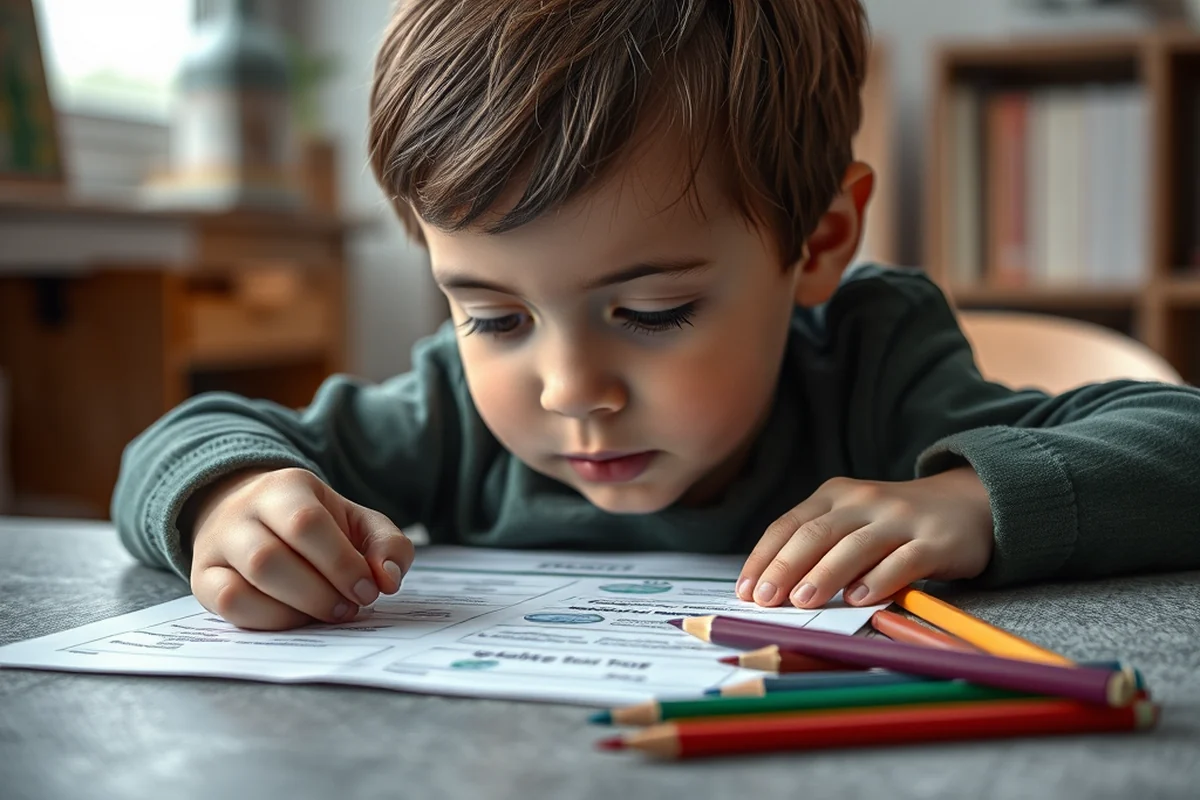
Choosing the right printables starts with understanding your child’s current developmental stage. A child who is just starting to learn the alphabet may not be ready for a printable that focuses on more complex math problems. I’ve made this mistake before, and it was a painful experience. One time, I printed a set of multiplication worksheets for a 5-year-old, only to see him stare at the page for 15 minutes without making any progress. The printables weren’t a bad resource, but they weren’t the right fit for his age and stage of learning.[3]
To avoid this pitfall, look for printables that are clearly labeled with the child’s age range and grade level. Many reputable resources will indicate whether a printable is best suited for a 3-year-old or a 10-year-old. This makes it much easier to find the right tools for your child’s specific needs. Some of the best printables I’ve found are those that are not only labeled with an age range but also include a brief description of the skills they help develop.[4]
I’ve also found that printables that are designed for a child’s specific grade level are often more structured and provide a clearer path for learning. For example, a printable meant for a 2nd grader might include exercises that help with reading comprehension, while one for a 4th grader might focus on fractions and decimals. These details can make a huge difference in how effective the printable is for your child.
Choose the right printable, and you’ll save hours of frustration.
Related: How to homeschool printables grade
Related: Homeschool printables grade tips
Related: Homeschool printables grade examples
Related: Easy homeschool printables by age grade
How to Use Homeschool Printables Effectively
The way you use homeschool printables can make all the difference in whether your child enjoys them or finds them frustrating. I’ve discovered that the most effective way to use printables is to integrate them into a structured daily routine. This means setting aside a specific time each day for focused learning and using the printables as a central part of that time.
When I first started using printables, I would sometimes pull out a worksheet and expect my son to complete it in one go. But that didn’t work well. He would often get distracted or lose interest after a few minutes. What I realized was that breakups into smaller, shorter sessions made a huge difference. Instead of doing 30 minutes of math in one go, I broke it down into two 15-minute sessions. He was able to focus better and even started to look forward to the activities.[5]
Another key to using printables effectively is to pair them with hands-on learning. For example, if your child is working on counting, you could use real objects like blocks or toys to reinforce the concepts in the printable. This helps your child see the connection between the worksheet and the real world, making learning more engaging and meaningful.
When using printables, divide the activity into smaller segments to keep your child focused and motivated.
“I still remember the first time I sat down with my son, a curious 5-year-old, and tried to figure out how to make learning fun…”— MarkerLane editors
Related: Simple homeschool printables grade
The Best Homeschool Printables for Preschoolers
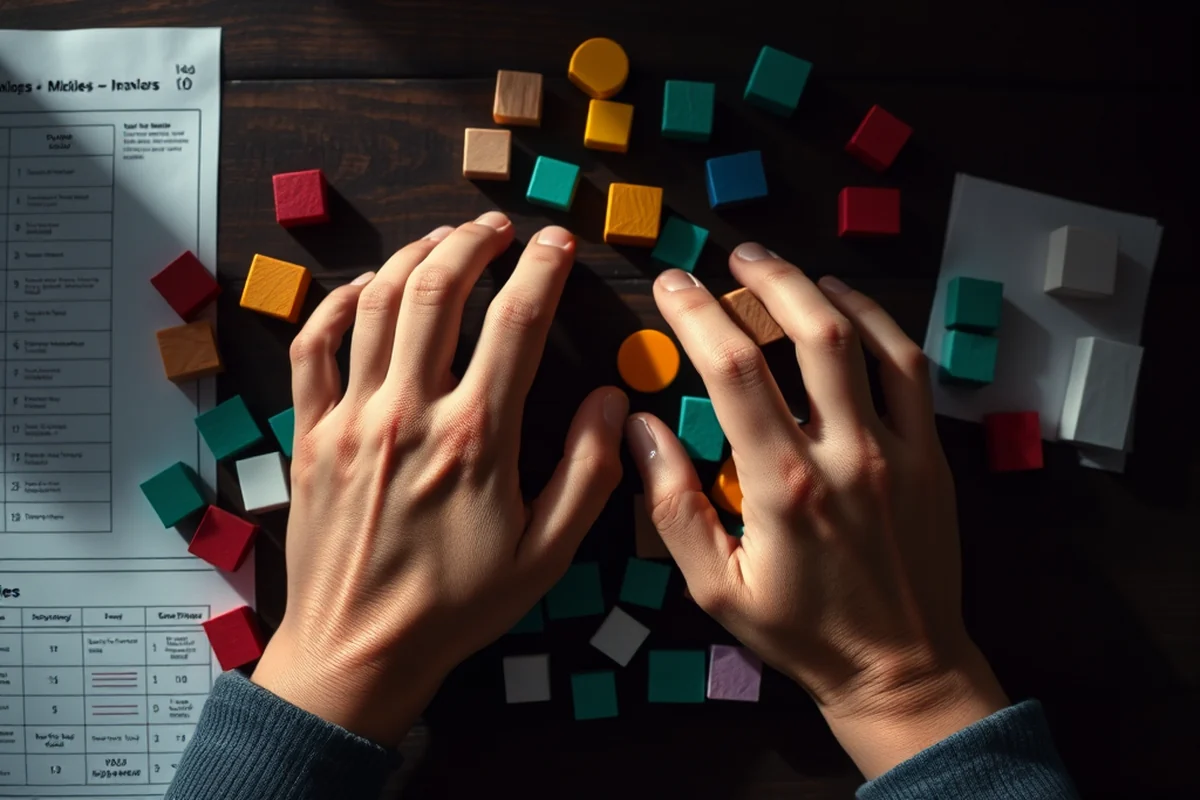
For preschoolers, the best printables are those that focus on the basics—letter recognition, counting, shapes, and simple matching. These are the building blocks of future learning, and they help children develop the skills they need to be ready for kindergarten. One of the most effective printables I’ve used for my 4-year-old was a set of letter tracing worksheets. These not only helped him recognize his letters but also gave him a chance to practice writing them in a way that felt like play.
Another great printable for preschoolers is one that uses color and images to teach basic concepts. For example, a printable that shows different animals and asks the child to match them with their corresponding names can be both educational and fun. These types of printables are especially helpful for children who are visual learners, as they make abstract concepts more concrete and easier to understand.
I’ve also found that printables that include simple puzzles or sorting activities are a hit with preschoolers. These help them develop fine motor skills and hand-eye coordination while also reinforcing learning. The key is to choose printables that are not too complicated and that can be completed in a short amount of time, as preschoolers have a short attention span.
How to Adapt Printables for Older Kids
As children get older, the types of printables they need change. For older kids, the best printables are those that are more structured and focus on advanced skills like reading comprehension, math, and critical thinking. These types of printables help reinforce the concepts they’re learning in school and provide a way to practice those skills in a structured environment.
For example, a printable designed for a 6-year-old might include reading exercises that focus on sight words, while one for a 10-year-old might include math problems that involve fractions or geometry. These printables are often more detailed and offer a variety of exercises that help reinforce learning. I’ve found that the best printables for older kids are those that are aligned with grade-level standards, as they ensure that the child is learning the right material at the right time.
Another benefit of using printables for older kids is that they can be used as a supplement to traditional schoolwork. For example, if your child is struggling with fractions, you can use a printable that includes visual aids and step-by-step instructions to help them understand the concept better. These printables are especially useful for children who need extra practice or who are preparing for standardized tests.
How to Keep Learning Fun with Homeschool Printables
One of the biggest challenges in using homeschool printables is keeping your child engaged and motivated. Learning can become tedious if it feels like a chore, which is why it’s important to make it fun. I’ve found that the best way to do this is by incorporating games, rewards, and creative activities into your printable sessions.
For example, you can turn a printable into a scavenger hunt by hiding the answers around the house and asking your child to find them. Or you can use a printable as a puzzle that your child can solve with the help of real objects. These types of activities make learning feel more like play and can help your child stay focused for longer periods of time.
Another way to make learning fun is to offer small rewards for completing printables. This could be as simple as giving your child a sticker or a small treat after they finish a worksheet. I’ve found that this approach works especially well for younger children, who often respond well to positive reinforcement.
Make learning a game, and your child will never want to stop.
How to Find Free and Affordable Homeschool Printables
Finding free and affordable homeschool printables is easier than you might think. There are many websites and educational platforms that offer high-quality resources for every grade and age. Some of the most popular sites include Teachers Pay Teachers, Homeschool Share, and Pinterest. These platforms are great for finding printables that are both educational and engaging.
One of the best things about free printables is that they allow parents to try different resources without the financial burden. This is especially useful for those who are just starting out with homeschooling and don’t know where to begin. I’ve found that many of the best printables are available for free, and they often come with detailed instructions and explanations that make them easy to use.
In addition to free printables, there are also affordable options that offer more advanced features. For example, some sites offer paid printables that include interactive elements or step-by-step guides. These can be especially useful for parents who want to provide their child with a more structured learning experience.
🎨 Preschooler’s Playtime Pack
A set of printables designed for 3-5 year olds, focusing on colors, shapes, and early letter recognition.
📚 Elementary Learning Bundle
A collection of printables for grades K-3, covering reading, math, and science in a structured format.
🧮 No-Prep Math Fun
A no-prep printable set that includes math games and activities for kids aged 6-8.
👫 Group Learning Kit
A printable set that can be used for group activities with multiple children, ideal for homeschool co-ops or family learning sessions.
🧠 Extension Activities for Advanced Learners
A set of challenging printables designed for older students who need extra practice or enrichment.
| The mistake | Why it happens | The fix |
|---|---|---|
| Using printables that are too advanced for your child’s age or grade level | This can lead to frustration and disengagement, making learning feel like a chore rather than a fun activity. | Always choose printables that are clearly labeled with the child’s age range and grade level to ensure a good match. |
| Using printables without a clear structure or routine | This can lead to inconsistency in learning and make it difficult for your child to stay focused. | Integrate printables into a structured daily routine to reinforce learning and keep your child engaged. |
| Ignoring your child’s learning style or preferences | This can lead to disinterest and a lack of motivation, making it difficult to keep your child engaged. | Choose printables that match your child’s learning style and preferences, and adjust them as needed to keep your child interested. |
| Using printables as the sole method of teaching | This can lead to a lack of hands-on learning and may prevent your child from developing important life skills. | Use printables as a supplement to hands-on learning and other teaching methods to create a well-rounded educational experience. |
Homeschool Printables By Age Grade Step By Step
Common Questions
Can I use the same printables for multiple children?
Are there printables that are suitable for kids with learning disabilities?
How long should I spend on each printable?
Can I customize the printables to fit my child’s needs?
Cite this guide
MarkerLane (2026). Homeschool Printables By Age Grade Step By Step. https://markerlane.com/homeschool-printables-by-age-grade-step-by-step/
Feel free to cite or share this guide.
References
- Homeschooled Students | Covenant College (covenant.edu)
- Homeschooling | Chicago Public Schools (cps.edu)
- Age of Contact: What's the Story? (Lesson) - Grade 7, Unit 2 (education.texashistory.unt.edu)
- Social, Emotional and Mindful Learning Curriculum: No Cost, Free! (extension.unh.edu)
- Homeschool and Free Educational Resources | Fitchburg, MA (fitchburgma.gov)