
Homeschool Planner Checklist
📖 Table of Contents
When I first started homeschooling my son, I had no idea where to begin. I spent hours scrolling through Pinterest, reading forums, and watching YouTube videos, only to feel more confused than ever. One day, I stumbled upon a simple homeschool planner checklist, and it changed everything. It wasn’t just a list of things to do—it was a roadmap that helped me structure our days without feeling overwhelmed.[2]
That checklist became my lifeline. It covered everything from lesson planning to scheduling breaks and even included spaces for tracking progress. I remember the first time I used it: I filled out each section with my son’s interests, and by the end of the day, I had a clear plan for the week. It wasn’t perfect, but it was a start, and it made all the difference.[3]
Today, I use that same framework, but I’ve refined it over the years. I’ve learned what works and what doesn’t, and I now know exactly what to include in a homeschool planner checklist. If you're feeling lost, this guide is for you. It's not just about ticking boxes—it's about creating a rhythm that supports your family.[4]
Why You'll Love This Homeschool Planner Checklist
- Saves hours of planning time each week with a clear structure and routine.
- Helps keep your child on track with academic goals without feeling overwhelmed.
- Includes spaces for creativity, breaks, and personal interests, promoting a well-rounded education.
- Encourages collaboration and communication between parents and children.
The Foundation: Setting Up Your Homeschool Planner Checklist
As of September 2026, the first step in creating a homeschool planner checklist is to define your goals. Are you focusing on core subjects like math and reading, or are you incorporating more creative and hands-on learning? This checklist should be tailored to your child’s needs and your family’s lifestyle.[5]
I filled out a section at the top of my planner with my son’s learning style, preferred subjects, and any special needs or interests we had. This helped me create a plan that wasn’t just academic but also engaging.
A good checklist includes spaces for lesson planning, activity scheduling, progress tracking, and even areas for reflection and adjustment. I’ve found that having a section for weekly goals and reviews keeps things on track and allows for regular improvements.
Use a free printable template or app to begin. Fill it out with your child’s preferences and goals to make it personal and effective.
Part of our Homeschool planner guide.
Daily Routines: Structuring Your Day
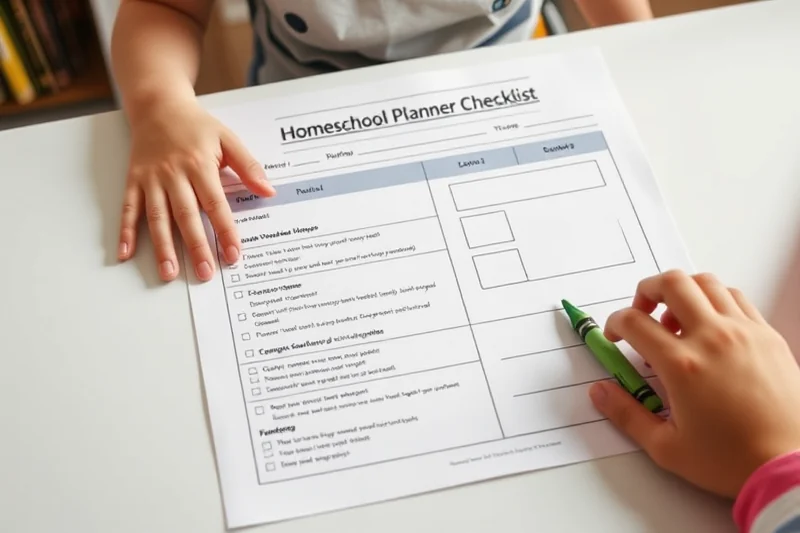
I’ve learned that routine is key when homeschooling. A checklist that includes time blocks for specific activities—like reading, math, and creative play—helps create a predictable schedule that your child can rely on.
For instance, I dedicated the mornings to core subjects, afternoons to hands-on learning, and evenings to relaxation and review. This structure not only helped my son stay focused but also allowed me to manage my time more effectively.
Including specific times for meals, breaks, and transitions can prevent chaos and help everyone stay on task. I found that setting a timer for each activity kept things moving smoothly and reduced the stress of managing a full day.
Structure is the backbone of successful homeschooling.
Related: Homeschool planning app reviews
Related: Homeschool how to start 2026
Related: Modern homeschool planner for mom
Related: Homeschool how to start list
Tracking Progress: Keeping Everyone on Track
I use a section in my checklist to track my son’s progress in each subject. This includes checking off completed lessons, noting any challenges, and setting small goals for improvement.
I also make it a habit to review his progress weekly. This helps me see what’s working and what needs more attention. It’s also a great way to celebrate successes, which keeps my son motivated.
Incorporating a space for reflection and feedback—both from me and my son—helps us stay aligned and continuously improve. I’ve noticed that this process leads to better outcomes and a more positive learning experience for both of us.
Include a section for noting achievements and goals. Celebrating small wins keeps your child motivated and focused on progress.
“When I first started homeschooling my son, I had no idea where to begin.”— MarkerLane editors
Related: Homeschool planner for 2 kids examples
Balancing Learning and Fun
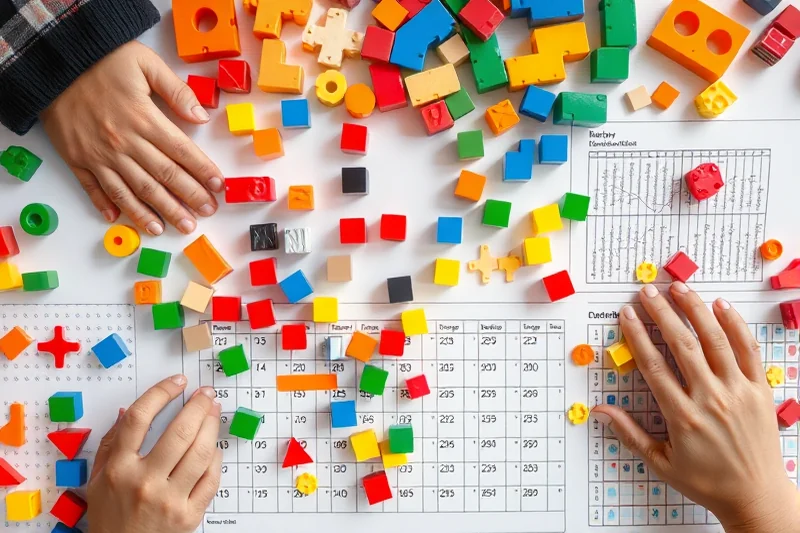
Learning doesn’t have to be all work and no play. I’ve found that including a section for creative activities, like art, music, or hands-on projects, helps balance the academic side of homeschooling.
For example, I set aside one day a week for creative play. This not only gives my son a break from structured learning but also helps him develop new skills in a relaxed and fun way.
Including time for outdoor activities or socialization is also important. I’ve noticed that a well-balanced planner leads to a more engaged and happy child, which is essential for long-term success.
Adapting and Evolving
As my son grew, his learning needs changed. I had to adjust our planner to include more advanced subjects and different learning methods. A flexible checklist makes this transition easier.
I’ve learned that it’s important to revisit your planner regularly and make updates as needed. This keeps it relevant and ensures that it continues to support your child’s growth.
I’ve found that being open to change and willing to tweak the plan helps maintain a positive and effective learning environment. It’s not about following a rigid schedule—it’s about creating a plan that works for your family.
⭐ Classic
The standard planner with a focus on core subjects and daily routines.
💰 Budget
A low-cost version using free printable templates and basic materials.
⚡ Extra-Fast
A streamlined planner with only the most essential sections and minimal setup.
✨ Depth
An advanced planner with multiple sections for tracking progress, goals, and reflections.
🥗 Light
A simplified version with less structure, ideal for families who prefer a more flexible approach.
| The mistake | Why it happens | The fix |
|---|---|---|
| Trying to include too many activities in one day. | This can lead to burnout and reduce the effectiveness of the planner. | Prioritize key activities and leave time for rest and reflection. |
| Not allowing time for breaks or transitions. | This can make the day feel rushed and overwhelming, especially for younger children. | Schedule short breaks between activities to help everyone stay focused and relaxed. |
| Using the same planner for all subjects without customization. | This can make it harder to track progress and adapt to different learning needs. | Customize the planner with sections tailored to each subject and learning style. |
| Ignoring the child’s input or preferences. | This can lead to disengagement and a lack of interest in the learning process. | Involve your child in the planning process and adjust the checklist based on their needs and interests. |
What You'll Need tap to check off
- 1 folder Binder or folder for planning
- 2 sheets Graph paper or lined paper
- 1 set Colored pens or markers
- 1 set Stickers or labels (optional)
- 1 set Index cards or tabs (optional)
- Personalized planner template (optional)
Method tap a step when done
- Choose a binder or folder to organize your planner materials.
- Print or download a personalized planner template and place it in the folder.
- Use colored pens to differentiate between subjects, activities, and routines.
- Add stickers or labels for visual appeal and easy navigation.
- Create index cards or tabs for quick reference to different sections of the planner.
- Review and adjust the planner weekly to keep it aligned with your child’s needs.
Key Facts
Homeschool Planner Checklist
Support Systems: Building a Network of Help
Building a strong support system has been essential for my homeschooling journey. I’ve joined local homeschooling groups and online forums where parents share resources, offer advice, and help each other troubleshoot challenges. These communities provide a sense of belonging and reduce the feeling of isolation that sometimes comes with homeschooling.
I also work with tutors and subject-specific experts who provide guidance when I need more in-depth help. For example, my child recently needed extra support in math, so I hired a local tutor who met with her twice a week. This arrangement helped her stay on track and boosted her confidence.
Another critical part of my support network is my extended family. My spouse and I divide responsibilities, and my parents occasionally help with childcare or offer insights based on their own experiences. I’ve also found that creating a schedule that allows for regular check-ins with a mentor or counselor helps maintain both my child's emotional well-being and my own sense of direction.
Embracing Technology: Tools to Enhance Your Homeschool Planner
Integrating digital tools can streamline your homeschooling experience and offer dynamic ways to organize, track, and engage with your curriculum.
I’ve found that using a combination of apps like Trello for task management and Google Classroom for assignments has saved me hours each week. These tools allow me to set due dates, share resources, and monitor progress all in one place. I can also sync my planner with my phone, which means I can review lesson plans or add notes on the go without needing to carry paper copies around.
Another benefit of embracing technology is the access to online educational platforms like Khan Academy or IXL. These can supplement your core curriculum with interactive lessons, quizzes, and progress reports. I’ve used IXL for math practice and found that the instant feedback and personalized learning paths have helped my child stay motivated and on track.
I also use digital calendars to coordinate with co-op classes, extracurricular activities, and field trips. Syncing these calendars with my family’s shared Google Calendar has eliminated scheduling conflicts and made it easier for everyone to stay aligned. I’ve even set up automated reminders for upcoming deadlines and meetings, which has reduced the stress of juggling multiple responsibilities.
Common Questions
How often should I update my homeschool planner checklist?
Can I use a digital planner instead of a physical one?
What if my child doesn’t want to follow the checklist?
How do I stay organized with multiple children?
References
- Starting a Home School in North Carolina - Requirements ... (doa.nc.gov)
- Home Schooling, SD Department of Education (doe.sd.gov)
- Home Schooling Questions and Answers - Minnesota (education.mn.gov)
- DOE: Homeschool Help Sheet - IN.gov (in.gov)
- PDF Home Education and Private Tutoring Guide - PA.GOV (pa.gov)
Cite this guide
MarkerLane (2026). Homeschool Planner Checklist. https://markerlane.com/homeschool-planner-checklist/
Feel free to cite or share this guide.